Blog
Blog
Peaker Plants: A Primer
Peaker Plants: A Primer

The Leap Team
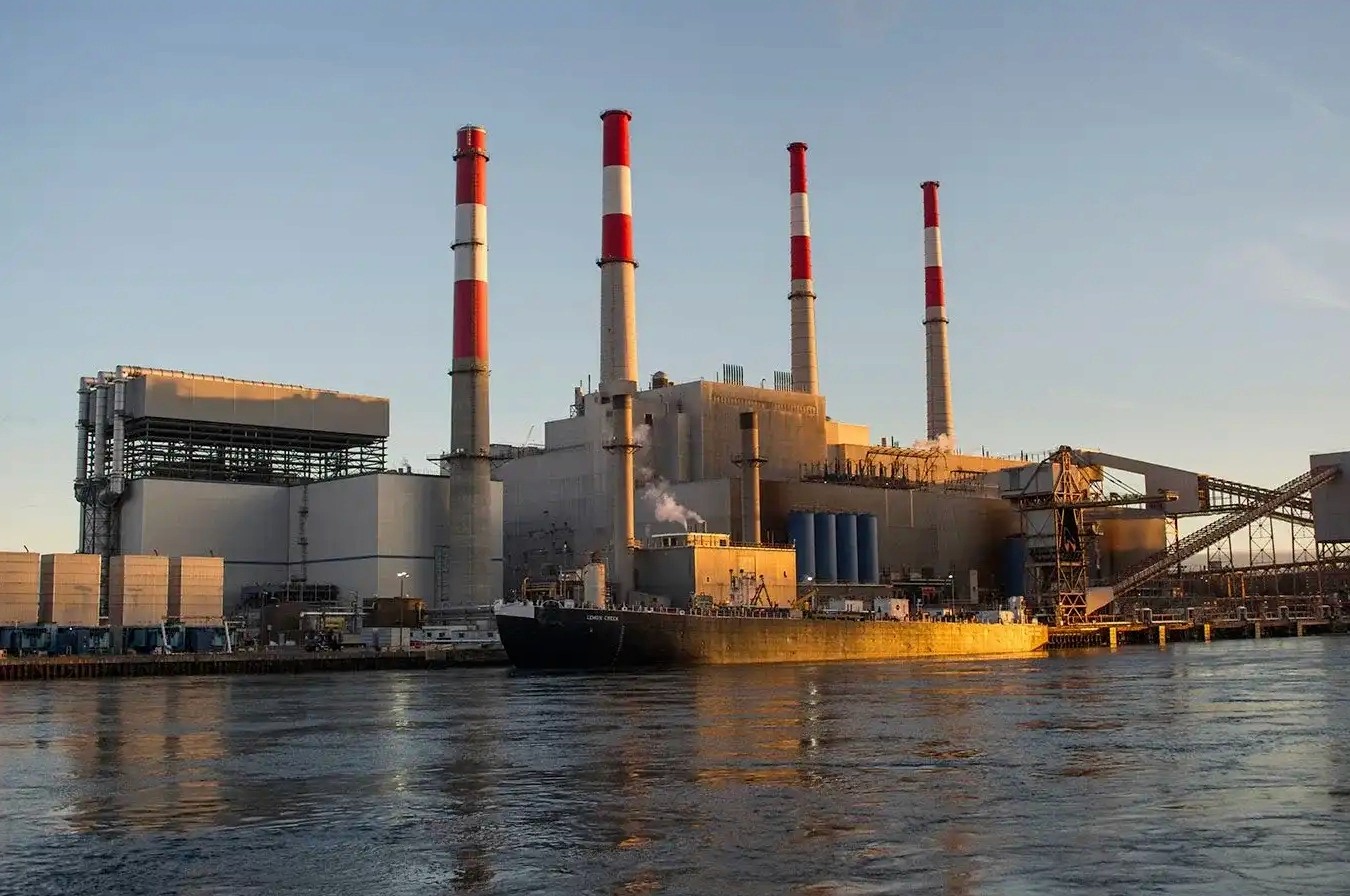
Leap’s mission is to decarbonize the world’s electric grids by phasing out the use of peaking power plants (commonly known as “peaker” plants) as a core grid reliability mechanism. When demand for electricity spikes - such as on very hot days when when air conditioners are running full blast - grid operators fire up these fossil fuel-powered plants that can quickly ramp up to meet peaks in demand. These backup facilities are typically powered by natural gas, although many plants also run on oil or kerosene fuels at least part of the time.
The dirty status quo
Across the U.S., peaker plants generate only about 3% of total electricity. But even though they don’t run frequently, peaker plants often account for large proportions of power system greenhouse gas emissions.
Because they’re designed for rapid start-up rather than steady operation, peakers burn fuel less efficiently than baseload plants and emit more pollution per unit of electricity. According to RMI, it takes 50 percent more natural gas to operate peaker plants compared to cleaner combined-cycle plants that provide our baseload power.
In New York City, peaker plants emit almost 2.7 million tons of carbon dioxide (CO2) annually.
In short: we’re relying on some of the dirtiest and least efficient assets on the grid to handle some of its most critical moments.
The expensive status quo
Peaker plants are also one of the most expensive ways to produce electricity.
Many peakers only operate a few hundred hours per year. Yet, they generate some of the most expensive electricity on the grid. In order to ensure that there is always enough electricity supply to meet spikes in demand, grid operators pay the owners of peaker plants just to keep their plants on standby throughout the year in case they are needed.
As a result, billions of dollars per year are funneled to these highly polluting plants - even if they only operate for a few days out of the year.
The unhealthy status quo
In addition to carbon, peaker plants emit hazardous pollutants like sulfur dioxide (SO2), nitrogen dioxide (NOX) and particulate matter (PM2.5) that increase risks for cancer, heart disease, asthma, birth defects and damage to the brain and nervous system. Because peaker plants tend to operate on very hot summer days when ozone levels are already high, they exacerbate already poor air quality.
As peaker plants are often sited close to urban areas with high energy demand, they are a significant source of pollution for nearby communities. Ten peaker plants in New York, for example, each have more than one million people living within a three mile radius. Many of these aging power plants weren’t commissioned with modern air pollution control equipment, worsening their polluting impacts.
And critically, those impacts are not evenly distributed. There are currently over 1,000 peaker plants in operation across the United States, and research consistently shows they are disproportionately located near low-income communities and communities of color. Half of California’s peaker plants are sited in areas designated as disadvantaged communities by the state. In New York City, 78% of people living within one mile of a peaker plant are low-income or people of color.
Retiring peaker plants in disadvantaged communities is one of the most significant environmental justice opportunities in the country. According to one projection, the retirement of New York City’s peaker plants would reduce annual emissions by 2.66 million tons of CO2, 1,655 tons of NOX, and 171 tons of SO2.
The growing need for greener grid flexibility
Finding sustainable solutions to manage peaks in energy demand is becoming increasingly urgent as more renewable energy sources join the grid. As we replace dirty - but dependable - fossil fuel plants with cleaner - but less predictable - energy like solar and wind, our power supply is becoming more variable.
We currently rely on peakers to manage that variability and keep the power flowing when renewable energy is in short supply. And, the increasing occurrence of heat waves and cold snaps will lead to more frequent spikes in electricity demand, triggering more grid emergencies that exacerbate reliance on these polluting backup plants.
We can’t accelerate the transition to a cleaner energy system without replacing peaker plants with greener grid flexibility tools. But, as outages and emergency grid events become more common, states like California are relying more on peaker plants, not less, delaying their replacement.
Fast-tracking the retirement of some of our dirtiest power plants
The good news: peaker plants aren't the only way to manage grid reliability. A growing set of distributed energy resources — including batteries, smart thermostats, EVs, and flexible building loads — can respond to grid needs in real time without the emissions. These resources can be aggregated into virtual power plants (VPPs) that deliver the same reliability services as peakers, faster and at lower cost.
Phasing out peaker plants represents one of the clearest opportunities to cut emissions quickly, improve public health, and advance environmental justice. The technology to replace them already exists. The challenge now is scaling it fast enough to meet the moment, and ensuring that the benefits of a cleaner, more flexible grid reach the communities that have borne the cost of the old one.
Leap’s mission is to decarbonize the world’s electric grids by phasing out the use of peaking power plants (commonly known as “peaker” plants) as a core grid reliability mechanism. When demand for electricity spikes - such as on very hot days when when air conditioners are running full blast - grid operators fire up these fossil fuel-powered plants that can quickly ramp up to meet peaks in demand. These backup facilities are typically powered by natural gas, although many plants also run on oil or kerosene fuels at least part of the time.
The dirty status quo
Across the U.S., peaker plants generate only about 3% of total electricity. But even though they don’t run frequently, peaker plants often account for large proportions of power system greenhouse gas emissions.
Because they’re designed for rapid start-up rather than steady operation, peakers burn fuel less efficiently than baseload plants and emit more pollution per unit of electricity. According to RMI, it takes 50 percent more natural gas to operate peaker plants compared to cleaner combined-cycle plants that provide our baseload power.
In New York City, peaker plants emit almost 2.7 million tons of carbon dioxide (CO2) annually.
In short: we’re relying on some of the dirtiest and least efficient assets on the grid to handle some of its most critical moments.
The expensive status quo
Peaker plants are also one of the most expensive ways to produce electricity.
Many peakers only operate a few hundred hours per year. Yet, they generate some of the most expensive electricity on the grid. In order to ensure that there is always enough electricity supply to meet spikes in demand, grid operators pay the owners of peaker plants just to keep their plants on standby throughout the year in case they are needed.
As a result, billions of dollars per year are funneled to these highly polluting plants - even if they only operate for a few days out of the year.
The unhealthy status quo
In addition to carbon, peaker plants emit hazardous pollutants like sulfur dioxide (SO2), nitrogen dioxide (NOX) and particulate matter (PM2.5) that increase risks for cancer, heart disease, asthma, birth defects and damage to the brain and nervous system. Because peaker plants tend to operate on very hot summer days when ozone levels are already high, they exacerbate already poor air quality.
As peaker plants are often sited close to urban areas with high energy demand, they are a significant source of pollution for nearby communities. Ten peaker plants in New York, for example, each have more than one million people living within a three mile radius. Many of these aging power plants weren’t commissioned with modern air pollution control equipment, worsening their polluting impacts.
And critically, those impacts are not evenly distributed. There are currently over 1,000 peaker plants in operation across the United States, and research consistently shows they are disproportionately located near low-income communities and communities of color. Half of California’s peaker plants are sited in areas designated as disadvantaged communities by the state. In New York City, 78% of people living within one mile of a peaker plant are low-income or people of color.
Retiring peaker plants in disadvantaged communities is one of the most significant environmental justice opportunities in the country. According to one projection, the retirement of New York City’s peaker plants would reduce annual emissions by 2.66 million tons of CO2, 1,655 tons of NOX, and 171 tons of SO2.
The growing need for greener grid flexibility
Finding sustainable solutions to manage peaks in energy demand is becoming increasingly urgent as more renewable energy sources join the grid. As we replace dirty - but dependable - fossil fuel plants with cleaner - but less predictable - energy like solar and wind, our power supply is becoming more variable.
We currently rely on peakers to manage that variability and keep the power flowing when renewable energy is in short supply. And, the increasing occurrence of heat waves and cold snaps will lead to more frequent spikes in electricity demand, triggering more grid emergencies that exacerbate reliance on these polluting backup plants.
We can’t accelerate the transition to a cleaner energy system without replacing peaker plants with greener grid flexibility tools. But, as outages and emergency grid events become more common, states like California are relying more on peaker plants, not less, delaying their replacement.
Fast-tracking the retirement of some of our dirtiest power plants
The good news: peaker plants aren't the only way to manage grid reliability. A growing set of distributed energy resources — including batteries, smart thermostats, EVs, and flexible building loads — can respond to grid needs in real time without the emissions. These resources can be aggregated into virtual power plants (VPPs) that deliver the same reliability services as peakers, faster and at lower cost.
Phasing out peaker plants represents one of the clearest opportunities to cut emissions quickly, improve public health, and advance environmental justice. The technology to replace them already exists. The challenge now is scaling it fast enough to meet the moment, and ensuring that the benefits of a cleaner, more flexible grid reach the communities that have borne the cost of the old one.

